
New Breakthroughs in Shipbuilding Structural Steel: Products and Applications
Introduction
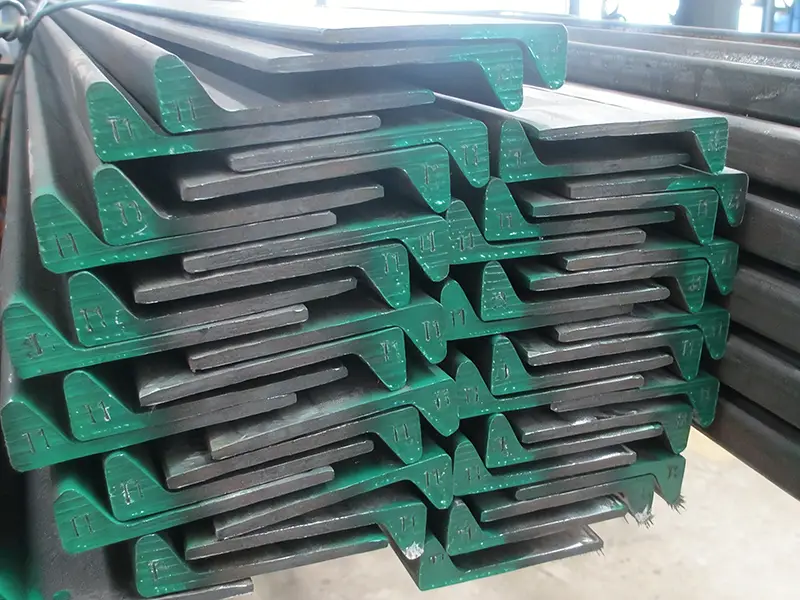
Shipbuilding structural steel is the core material for constructing modern vessels. To construct different hull structures, engineers fuse these specific pieces with steel plates. Producing high-quality structural steel for shipbuilding is far more challenging, even though the volume used is second only to plates. It is essential for constructing huge, luxurious ships with a long lifespan.
They feature a bulbous head and a flat web. A ship’s longevity and safety are directly impacted by their quality. Shipbuilding structural steel with increased strength and improved environmental resistance is needed as the market for luxury cruises and LNG carriers expands. Recent technical leaps have now broken old production bottlenecks, supporting the global move toward high-end shipbuilding.
I. Common Industry Challenges
In the past, the production of shipbuilding structural steel faced four major problems:
- Limited Variety: Most suppliers could only produce low-strength grades. High-strength steel (390–785MPa) was often unavailable.
- Lack of Equipment: A lack of specialized heat treatment tools led to inconsistent quality and shape errors.
- Uneven Performance: Because of the complex shapes, the “bulb” and “web” often had different strength levels.
- Missing Special Features: There was a lack of steel that could resist corrosion or handle extreme cold.
II. Core Technical Solutions
New research has created a complete system of “New Materials + New Processes + New Equipment” to solve these issues.
2.1 Advanced Quenching and Tempering
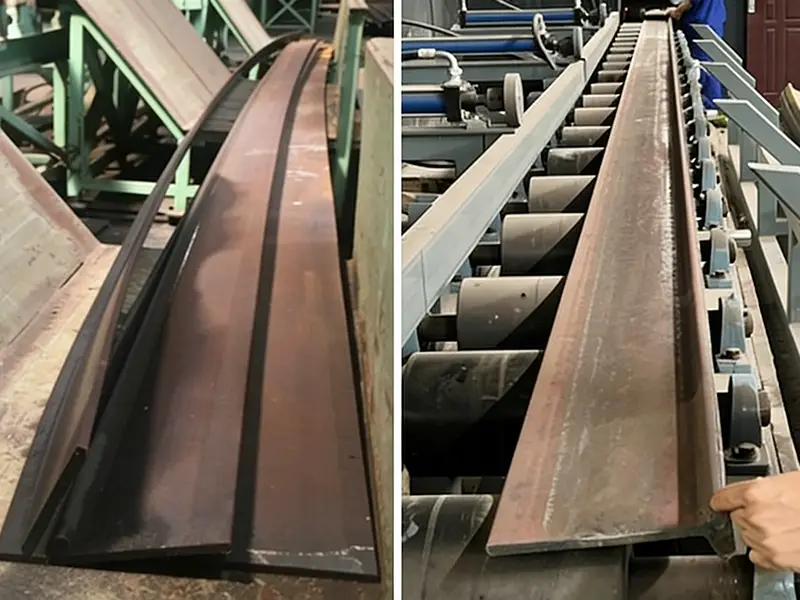
Specialized heat treatment equipment now uses multi-stage induction heating. This process heats the bulb and web at different temperatures. It ensures that the shipbuilding structural steel stays straight and has uniform strength. This allows for the stable production of ultra-high-strength grades.
2.2 Micro-Alloy Reinforcement
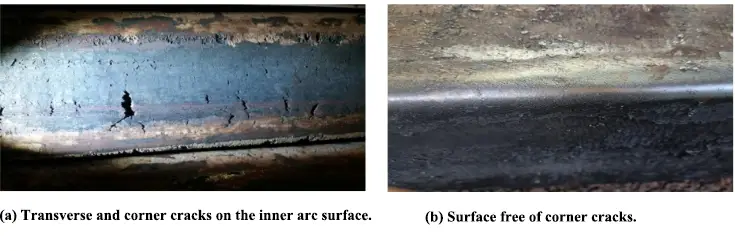
Using VCN-PCRP technology helps strengthen the steel without extra heating steps. By adding small amounts of Vanadium and Nitrogen, manufacturers refine the steel grain. This makes the shipbuilding structural steel much tougher and reduces surface cracks during the rolling process.
2.3 Specialized Functional Steel
The industry now offers four types of specialized steel for high-end ships:
- Corrosion-Resistant Steel: This prevents rust in cargo oil tanks and lowers maintenance costs.
- Low-Temperature Steel: This steel stays strong at -110℃for LNG transport.
- Easy-to-Weld Steel: Workers can weld this steel at low temperatures without preheating. This speeds up ship construction by 20%.
- Low-Magnetic Steel: This is used for sensitive equipment that requires stable magnetic properties.
III. Engineering Value and Impact
These advances have created a full range of shipbuilding structural steel products. They cover all strength levels from 355MPa to 785MPa and handle temperatures as low as -110℃. This technology fills a critical gap in the market. It allows shipyards to build everything from small industrial boats to the most advanced tankers in the world.
IV. Future Outlook
As maritime technology advances, shipbuilding structural steel will become even lighter and stronger. Future improvements will focus on precision cutting, drilling, and more efficient heat treatment.
At Glory Steel Work, we stay at the forefront of these industrial trends. We provide high-quality structural steel products that meet international standards for various industrial and maritime projects. Whether you need specialized sections or high-performance industrial rails, we offer professional solutions to support your business.
Contact Glory Steel Work today to learn more about our high-performance steel products and how we can support your next project.