
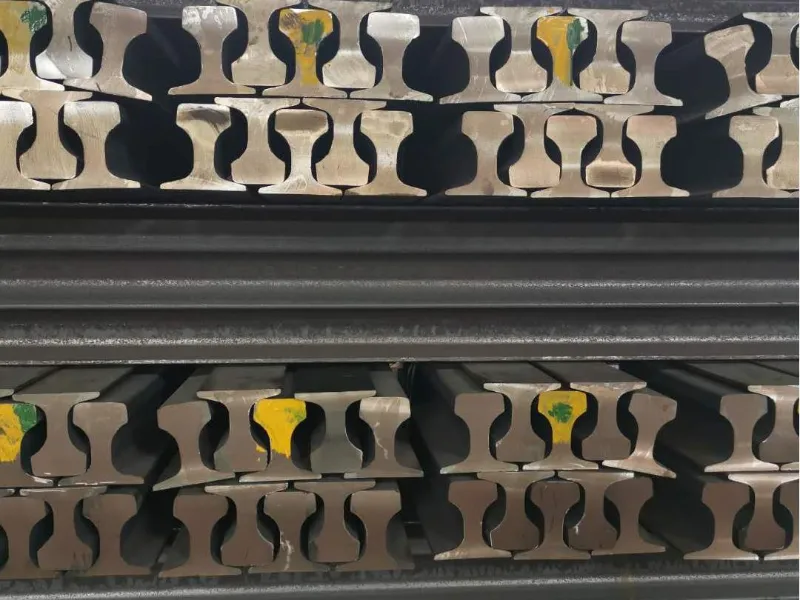
Crane Rail Selection Guide: How to Choose the Right Rail for Your Crane System
Introduction
Crane rail selection is a critical step in designing a safe and reliable crane system. The right rail not only supports the crane load but also ensures smooth movement, reduces wheel wear, and extends equipment service life.
Different crane applications require different rail solutions. A workshop overhead crane, a port gantry crane, and a steel mill ladle crane may have completely different requirements in terms of rail profile, load capacity, and installation method.
This Crane Rail Selection Guide explains the key factors engineers and buyers should consider when choosing crane rails, including rail types, crane capacity, operating environment, and fastening systems.
1. Understand Different Types of Crane Rails
Before selecting a crane rail, it is important to understand the main rail categories available for industrial lifting systems.
A-Type Crane Rails
A-type crane rails are widely used in industrial crane applications due to their excellent balance between strength, size, and installation flexibility.
Common models include:
Typical applications:
- overhead cranes
- gantry cranes
- workshop cranes
- port cranes
- industrial transfer systems
Example:
A75 and A100 crane rails are commonly selected for heavy-duty applications where cranes operate with higher wheel loads and frequent movement.
QU-Type Crane Rails
QU-series crane rails are designed for heavy-duty lifting equipment requiring higher load-bearing capacity.
Common types include:
Applications include:
- steel plants
- shipyards
- mining facilities
- heavy gantry cranes
Compared with lighter rail profiles, QU rails feature wider heads and stronger sections, making them suitable for demanding working conditions.
2. Select Crane Rail Based on Wheel Load
The most important factor in crane rail selection is not only crane lifting capacity but also the wheel load transferred to the rail.
A crane’s total weight and lifted load are distributed through crane wheels onto the rail surface.
When selecting a rail, consider:
- Maximum wheel load
- Number of crane wheels
- Crane operating frequency
- Impact load during operation
For example:
- Light-duty workshop cranes may use smaller rail profiles.
- Heavy industrial cranes require larger profiles such as A75, A100, or QU series rails.
Choosing an undersized rail can accelerate wear and reduce operating safety.
3. Match Crane Rail with Application Type
Different crane applications require different rail solutions.
Overhead Crane Rail Selection
Used in:
- factories
- warehouses
- production workshops
Common choices:
- A45
- A55
- A65
Selection depends on crane capacity and operating frequency.
Gantry Crane Rail Selection
Used in:
- ports
- container yards
- outdoor storage areas
Common choices:
- A65
- A75
- A100
- QU series
These applications usually require higher load capacity and better environmental resistance.
Port Crane Rail Selection
Port cranes operate under demanding conditions including:
- heavy container loads
- continuous operation
- coastal corrosion
Common choices:
- A75
- A100
A complete system usually includes:
- crane rails
- rail clamps
- steel sole plates
- rubber pads
- anchor bolts
4. Consider Operating Environment
The working environment directly affects crane rail performance.
Indoor Applications
Main considerations:
- load capacity
- alignment accuracy
- wear resistance
Outdoor Applications
Additional factors include:
- corrosion protection
- temperature changes
- drainage conditions
For coastal applications such as ports, surface treatment and corrosion protection are important for extending rail service life.
5. Choose the Right Rail Fastening System
A crane rail system includes more than the rail itself.
Proper fastening components help maintain rail alignment and absorb operational vibration.
Common components include:
- welded rail clamps
- bolted rail clamps
- rubber pads
- steel sole plates
- anchor bolts
- leveling bolts
The fastening method should match:
- rail type
- foundation structure
- installation requirements
- operating conditions
6. Rail Installation Requirements
Even a correctly selected crane rail cannot perform properly without accurate installation.
Key installation factors include:
Rail Alignment
Incorrect alignment can cause:
- uneven wheel wear
- increased vibration
- crane travel resistance
Rail Joint Connection
Common methods:
- bolted joints
- welded joints
Rail Level Adjustment
Leveling components help maintain proper rail height and alignment.
7. Crane Rail Inspection and Replacement
Regular inspection helps identify potential problems before they affect crane operation.
Common inspection items:
- rail head wear
- cracks
- deformation
- corrosion
- fastening condition
- alignment accuracy
When rails reach their service limit, replacement should be considered to maintain safe crane operation.
Complete Crane Rail Solutions from Glory Steelwork
Glory Steelwork provides complete crane rail solutions for industrial and heavy-duty applications.
Our capabilities include:
- A-type crane rails
- QU-type crane rails
- customized rail processing
- rail fastening components
- complete rail system supply
From material selection to final delivery, Glory Steelwork supports customers in choosing suitable crane rail solutions based on actual project requirements.
Conclusion
Selecting the right crane rail requires careful consideration of crane load, application, environment, and installation requirements.
A properly selected crane rail system improves operational safety, reduces maintenance costs, and ensures reliable crane performance.
By following this Crane Rail Selection Guide, engineers and buyers can make more informed decisions when planning new crane installations or rail replacement projects.